

Hudson River Park invites academic institutions, researchers and industry scientists to conduct research that furthers scientific understanding of the Lower Hudson Estuary.
Visiting Scholars can apply to become research partners to utilize Park facilities and resources. As partners, Visiting Scholars contribute to applied research that advances River science and conservation. Your research will also be incorporated into Park programs and curriculum to share findings with our greater community.
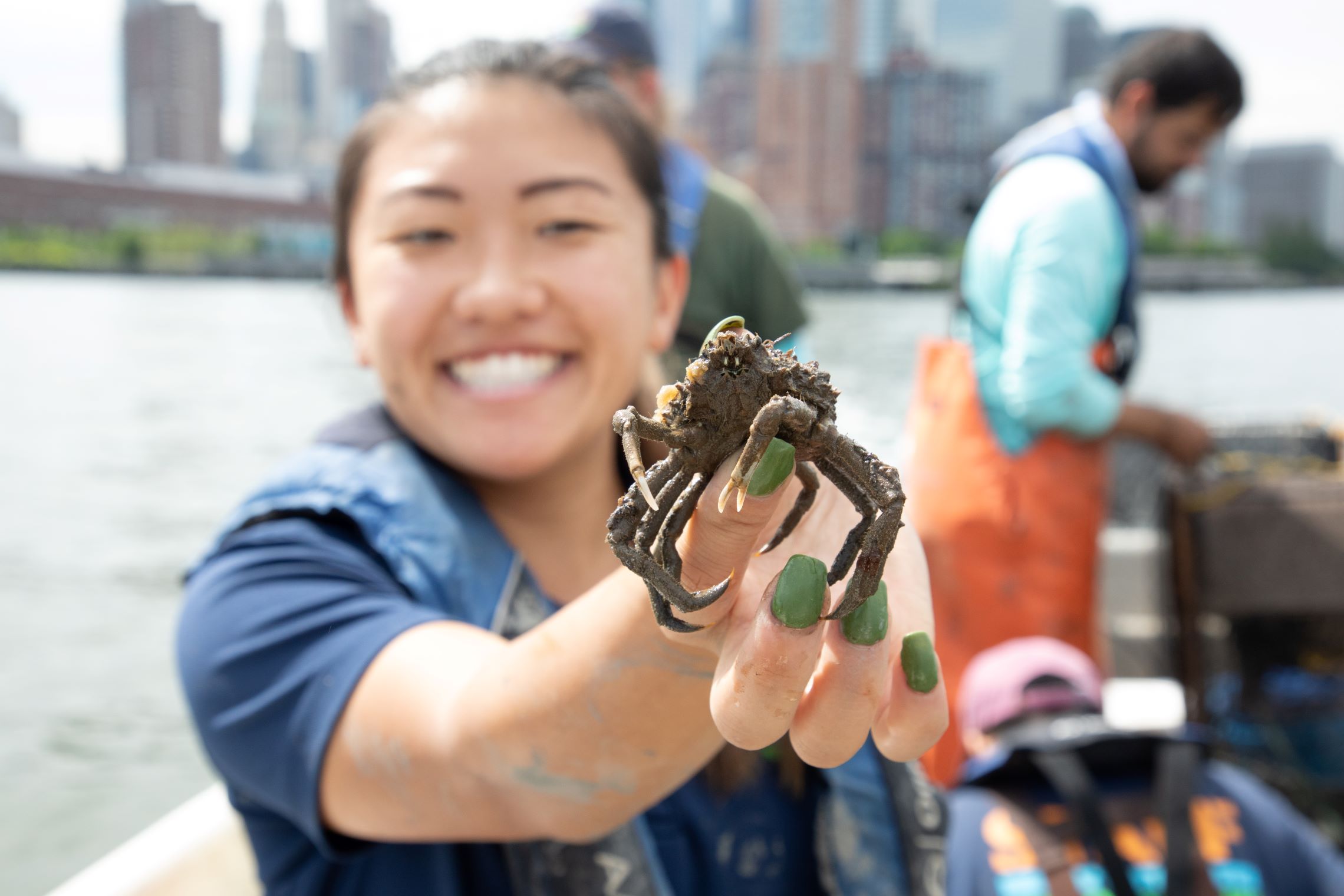
Program Overview
Hudson River Park has an ongoing commitment to facilitating Estuarine Sanctuary research. The Visiting Scholars program has the potential to help meet the research, data analysis, and resource management goals outlined by the Park’s Estuarine Sanctuary Management Plan. Examples of current research included in the management plan include:
- Climate Change & Resilience
- Wetland & Nearshore Habitat Enhancement
- Water Quality & Modeling
- Terrestrial Ecology & Land Management
- Sustainability & Stewardship
Through collaboration with the Park to pursue these and other subjects, Visiting Scholars can advance estuarine research, inform management decisions and improve the health of the Park’s Sanctuary waters. The Trust will share research priorities with interested scholars to focus projects and help the Park and regional partners answer their most pressing questions. Contact Senior Research Manager Siddhartha Hayes for more details.
Park Resources
The Park offers Visiting Scholars a variety of facilities, habitats, instruments and logistical support to better and more easily conduct research.
Facilities
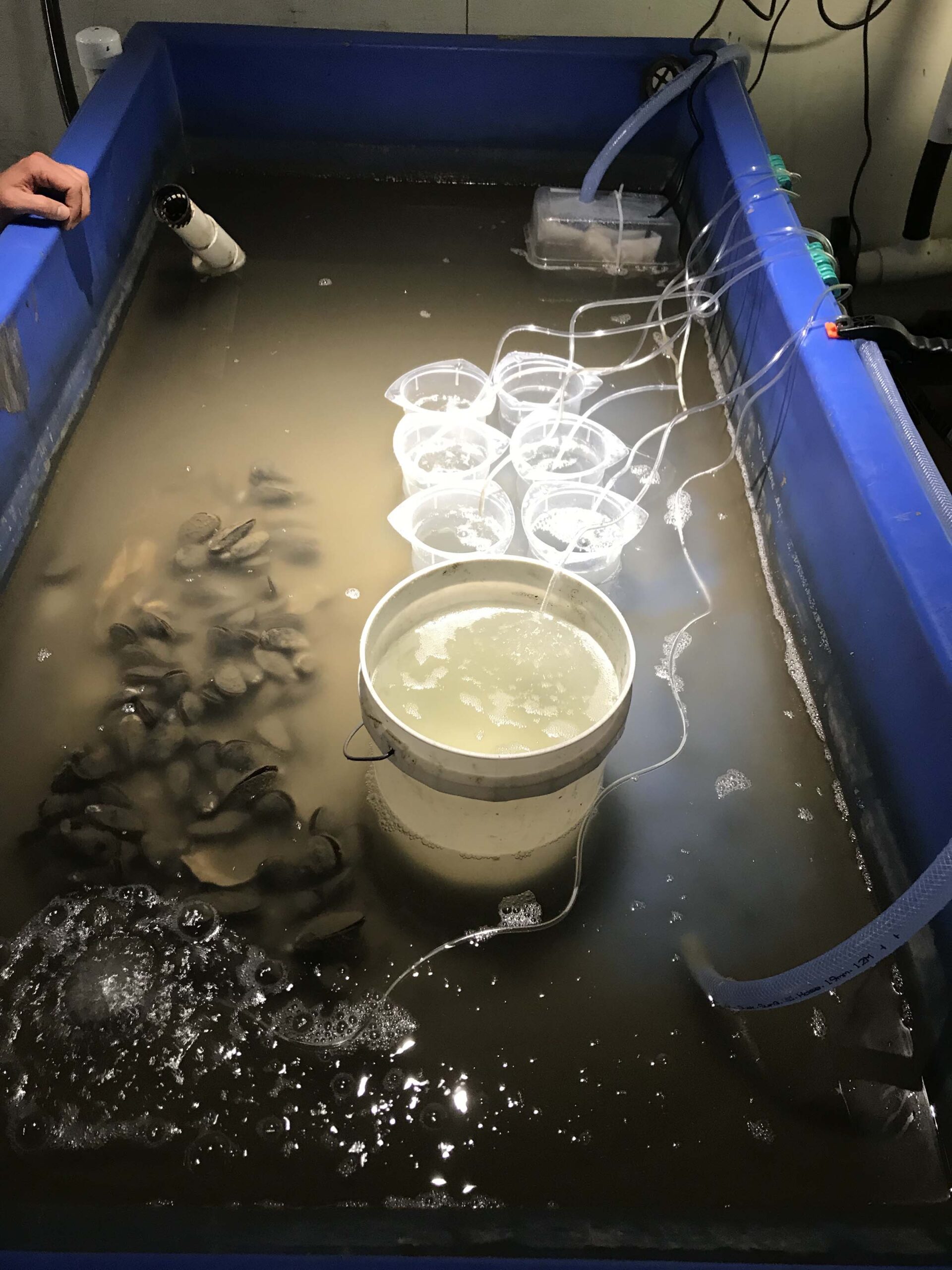
- Pier 40 Wetlab
- With flow-through aquaria
- Pier 57 Discovery Tank
- Classroom & digital gallery
Estuarine Habitats
- Pier 26 Tide Deck
- Oyster Enhancement Features
- Habitat Garden
- Gansevoort Peninsula Salt Marsh
Instruments
- Continuous USGS weather & water quality sensors
- Pathogen & eDNA processing labs
- Underwater video equipment
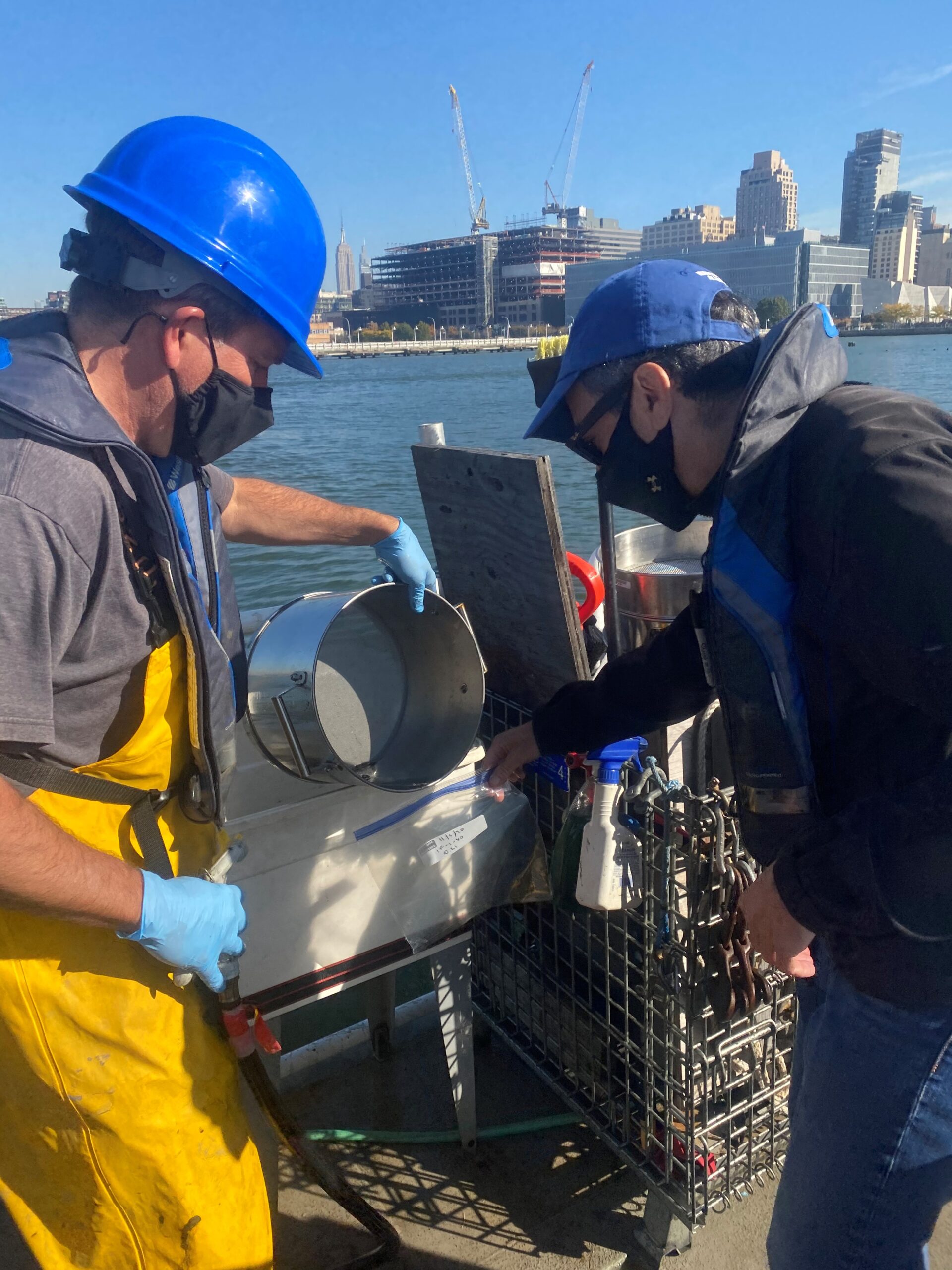
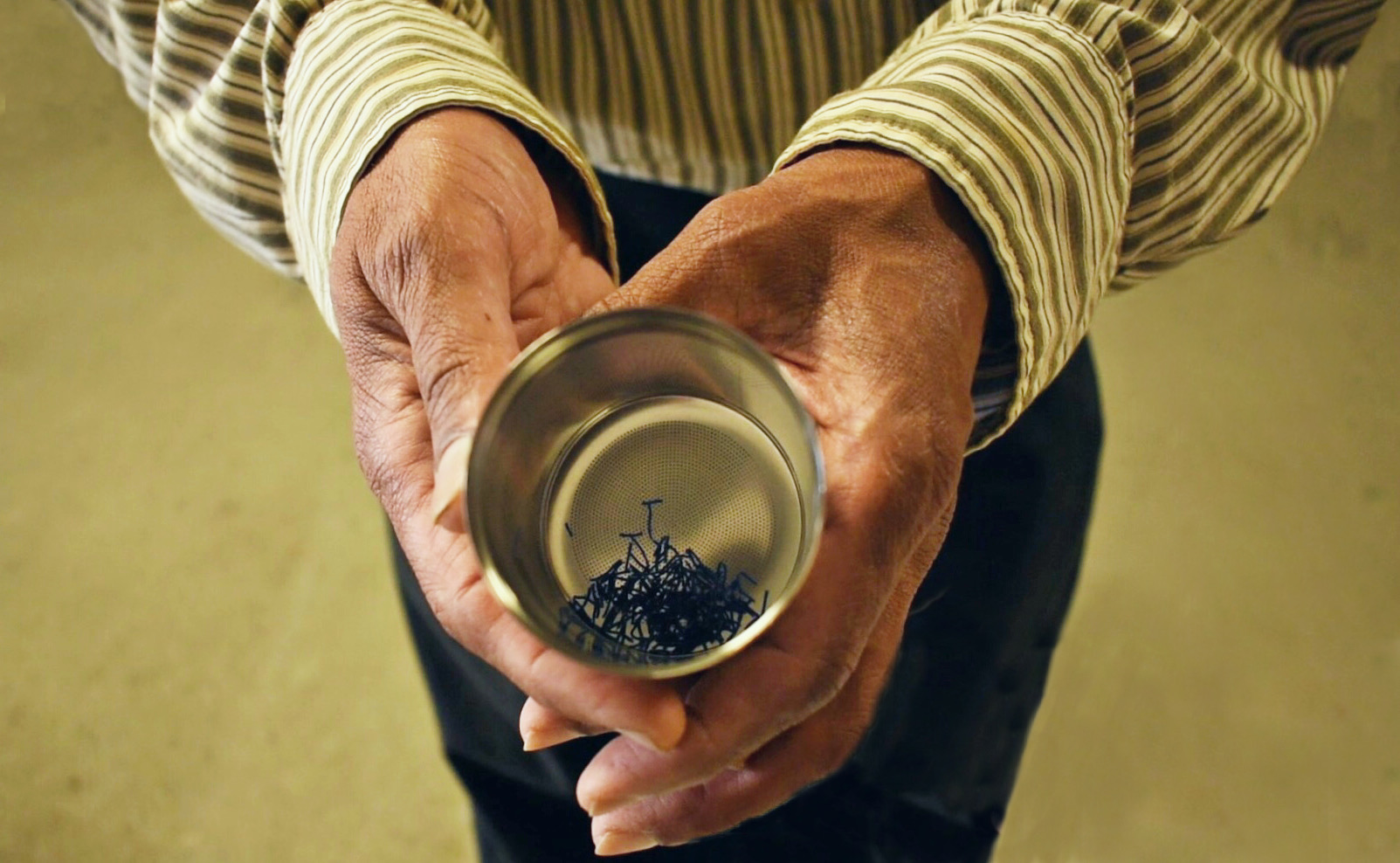
- Microplastic, plankton and water sampling equipment
Other
- Fish collection gear
- Various datasets
- Floating dock access
- Park vessel & Captain
HRPT CUNY Research Alliance Scholar Awardees

Bivalve Sclerochronology
Dr. Karin Block-Cora (The City College of New York), will explore the sclerochronology of bivalve shells to better understand past environmental conditions.

Microbes & Oysters
Dr. Ana Gonzalez-Nayeck (Baruch College), will investigate the effects of microbial mats on oyster recruitment on intertidal structures in 2025.
Microplastics & ARGs
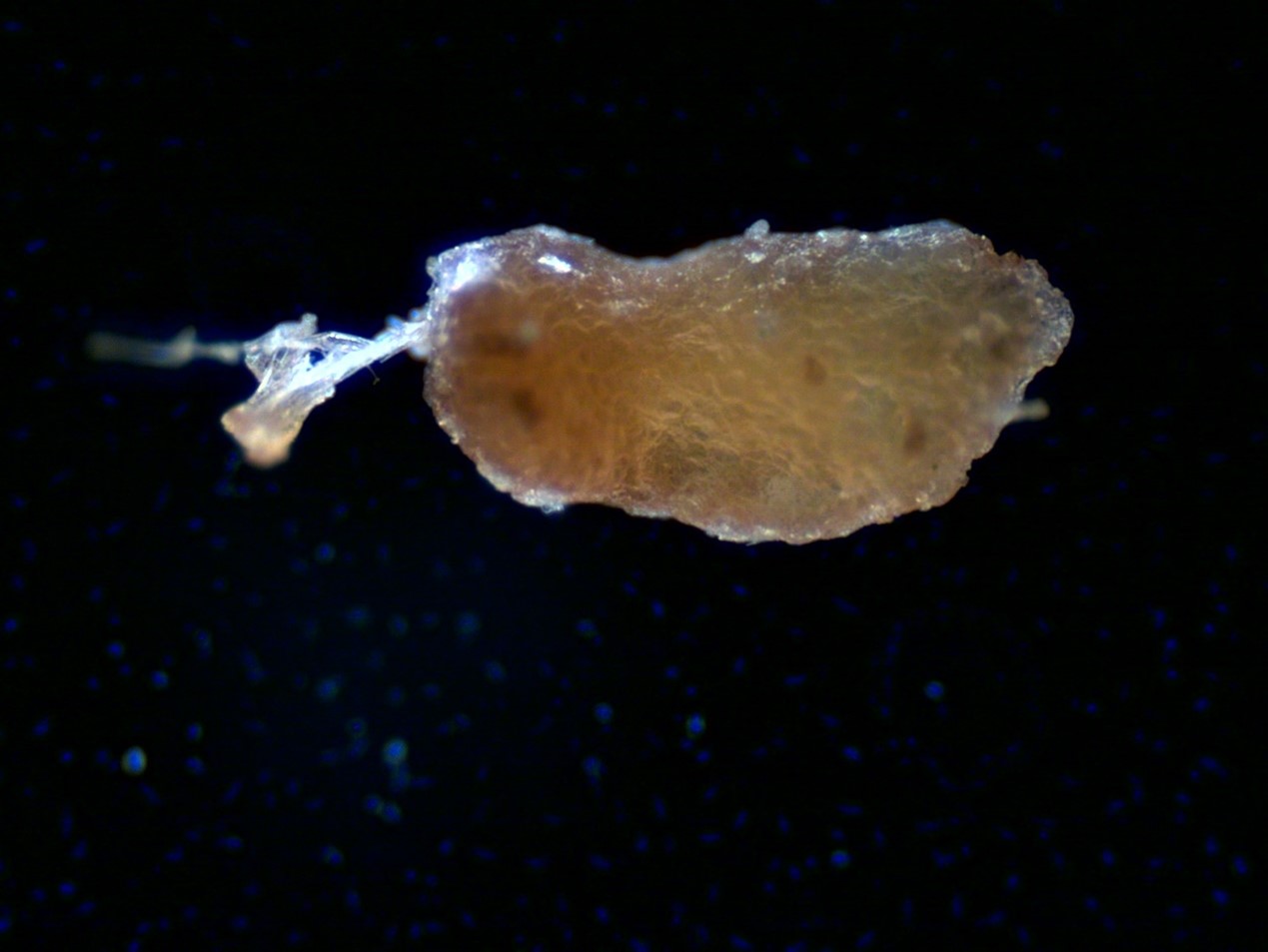
In 2024, Dr. Theodore Muth (Brooklyn College) conducted research on bacterial communities in the river and assessed the connection between microplastics and the presence of antibiotic resistance genes (ARGs) using DNA sequencing.
Wave Exposure on Oyster Growth
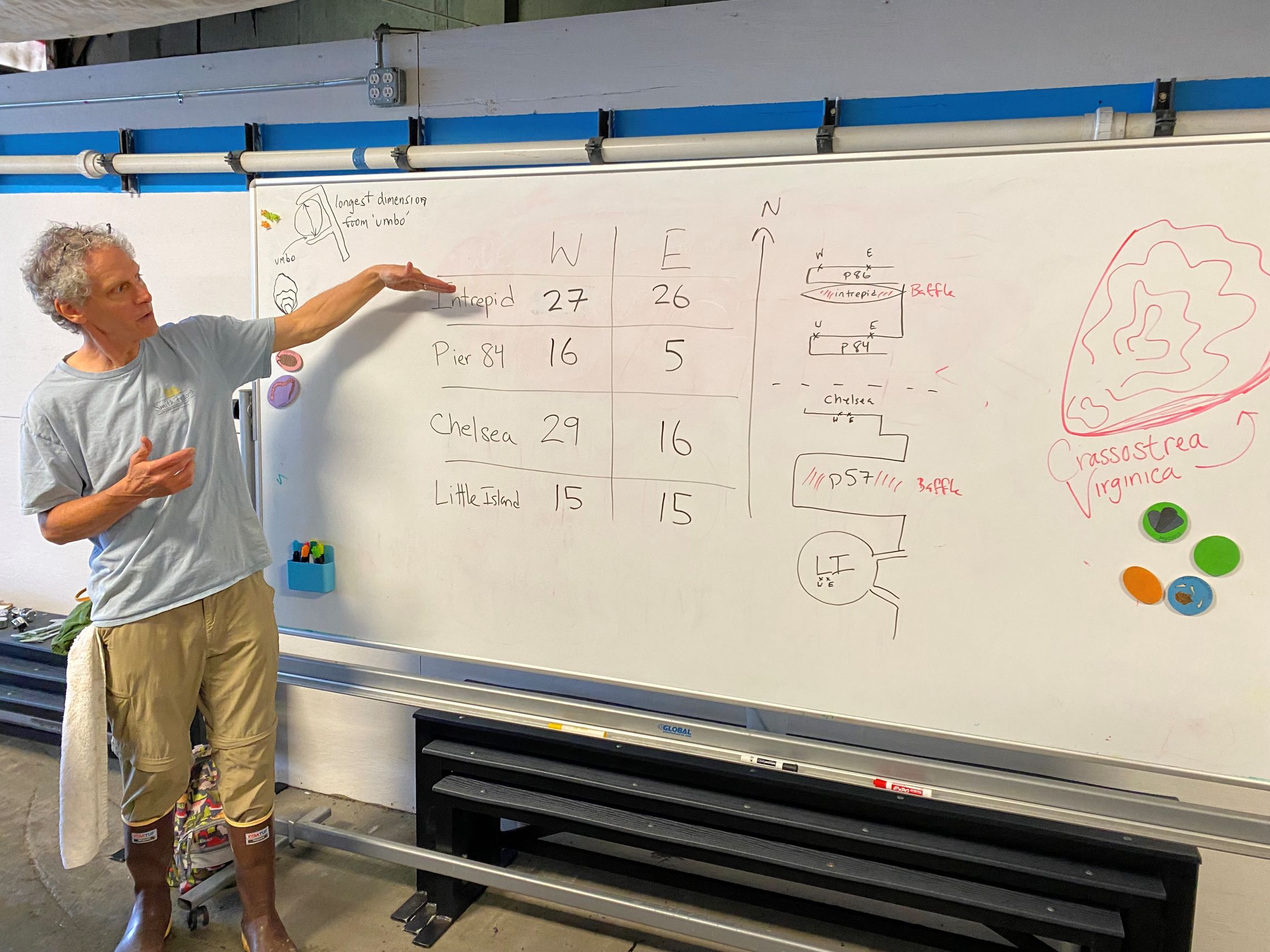
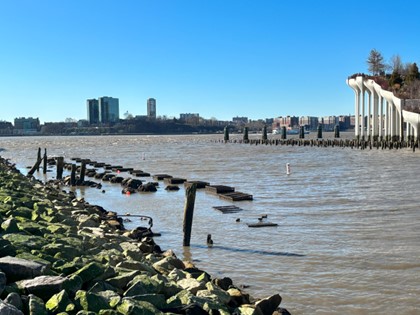
In 2024, Dr. Phillip Staniczenko (Brooklyn College) investigated hyperlocal differences in wave exposure at Gansevoort Peninsula and whether this environmental heterogeneity affects oyster restoration success.
Featured Collaborators
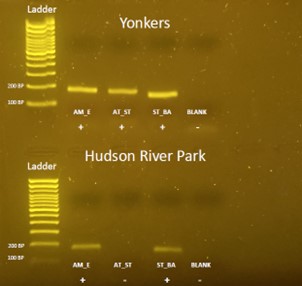
Fish eDNA Metabarcoding
Dr. Sam Chew Chin assisted Park staff in sequencing and analyzing four years of fish eDNA samples from the lower Hudson to better understand species distributions and seasonal changes.
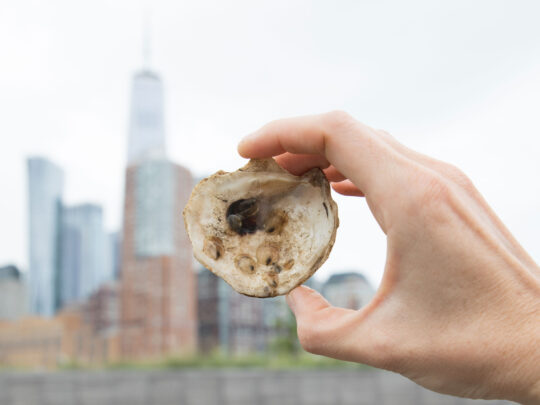
Oyster Recruitment
Dr. Matt Hare (Cornell University) is assessing oyster spat settlement in various Park locations to determine the effects of hydrology on distribution of oyster larvae and explore identification of broodstocks to better understand recent oyster enhancement effects.
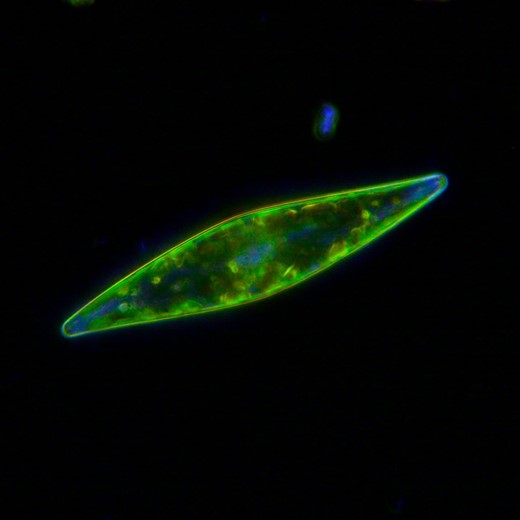
River Microbiomes
Dr. Dianne Greenfield (CUNY Advanced Science Research Center & Queens College) investigated whether rainfall associated with CSO discharges affected microbial diversity and water quality in Hudson River Park in 2023.
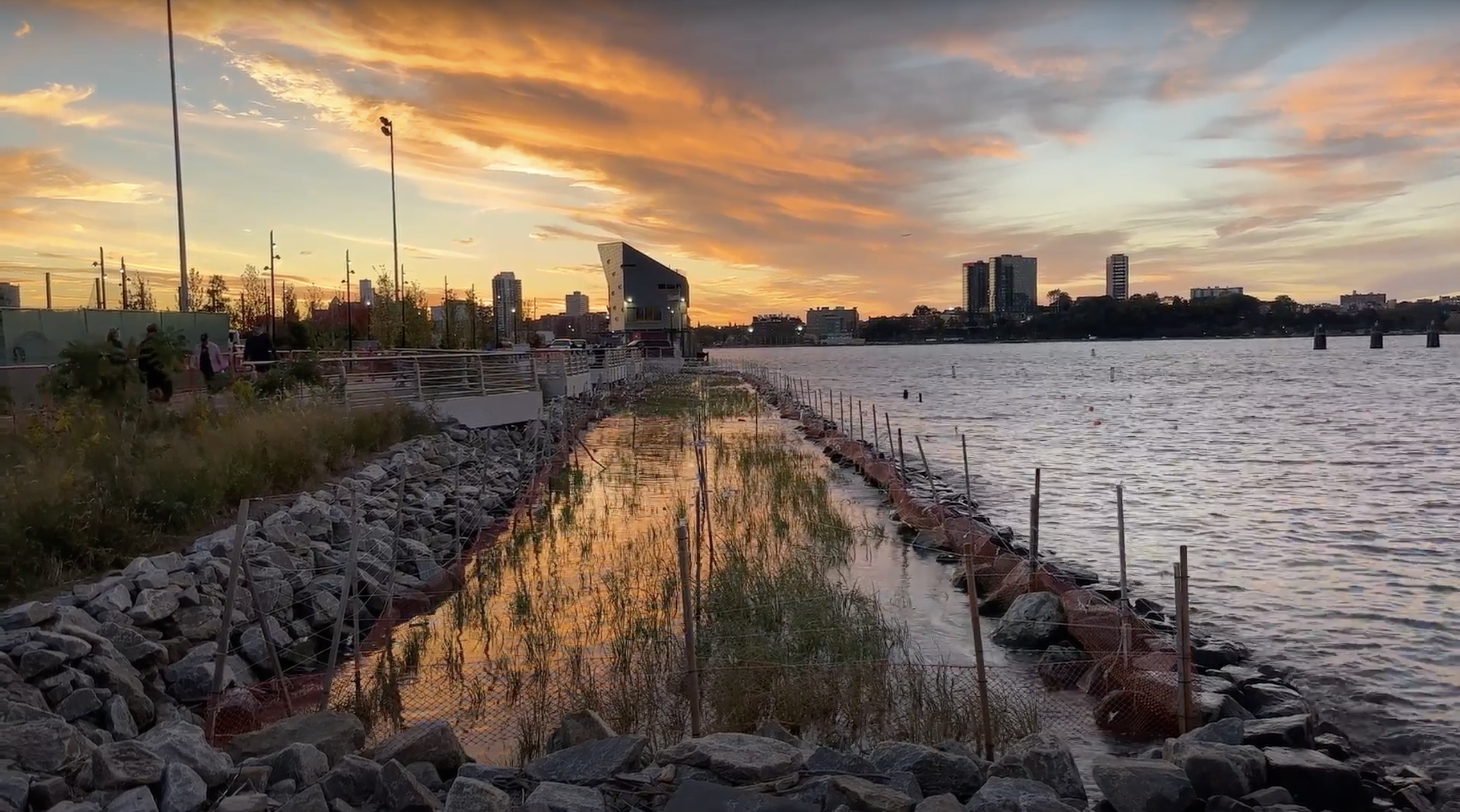
Salt Marsh Health
Dr. Chester Zarnoch (Baruch College & CUNY Graduate Center) measured marsh plant growth, hydrological conditions, sediment nutrient fluxes, sediment oxygen demand, and denitrification within Gansevoort Peninsula’s salt marsh in 2023.
Featured Findings
- Karin Block-Cora, City College of New York, Sclerochronology of bivalves in the Hudson River estuary
- Ana Gonzalez-Nayeck, Baruch College, Microbial ecology and oyster recruitment: chemical and taxonomic properties of microbial mats and effects on reef ball success
- Yun Ye, LaGuardia Community College, Investigation of Noise Pollution in the Hudson River at Pier 26 and Pier 97
View more findings on our Historic Research page.