

Building a living shoreline at Gansevoort Peninsula, where salt marsh and oyster habitats work together to restore biodiversity and strengthen the Hudson River’s ecology.
In 2022, Hudson River Park Trust installed a salt marsh and 300 submerged habitat enhancement structures in the Park’s Estuarine Sanctuary waters north of Gansevoort Peninsula.
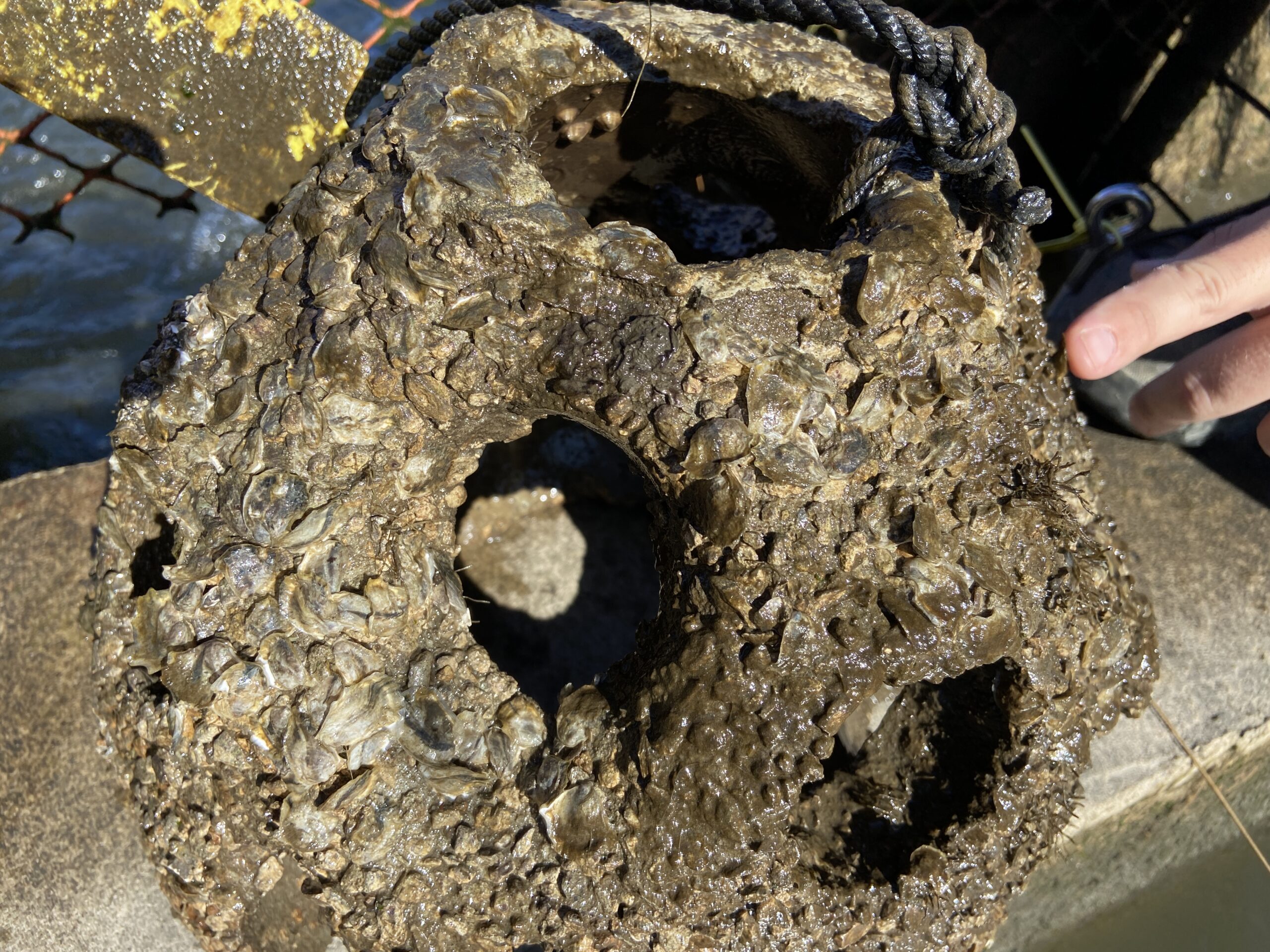
These habitat structures, including 73 reef balls and 227 gabions, were designed to create diverse habitats for aquatic species to utilize and provide hard substrates for encrusting organisms such as oysters. The gabions were stacked in a series of pyramid clusters, and reef balls were strategically spaced in the shallow waters off Gansevoort’s sloping northern shoreline.
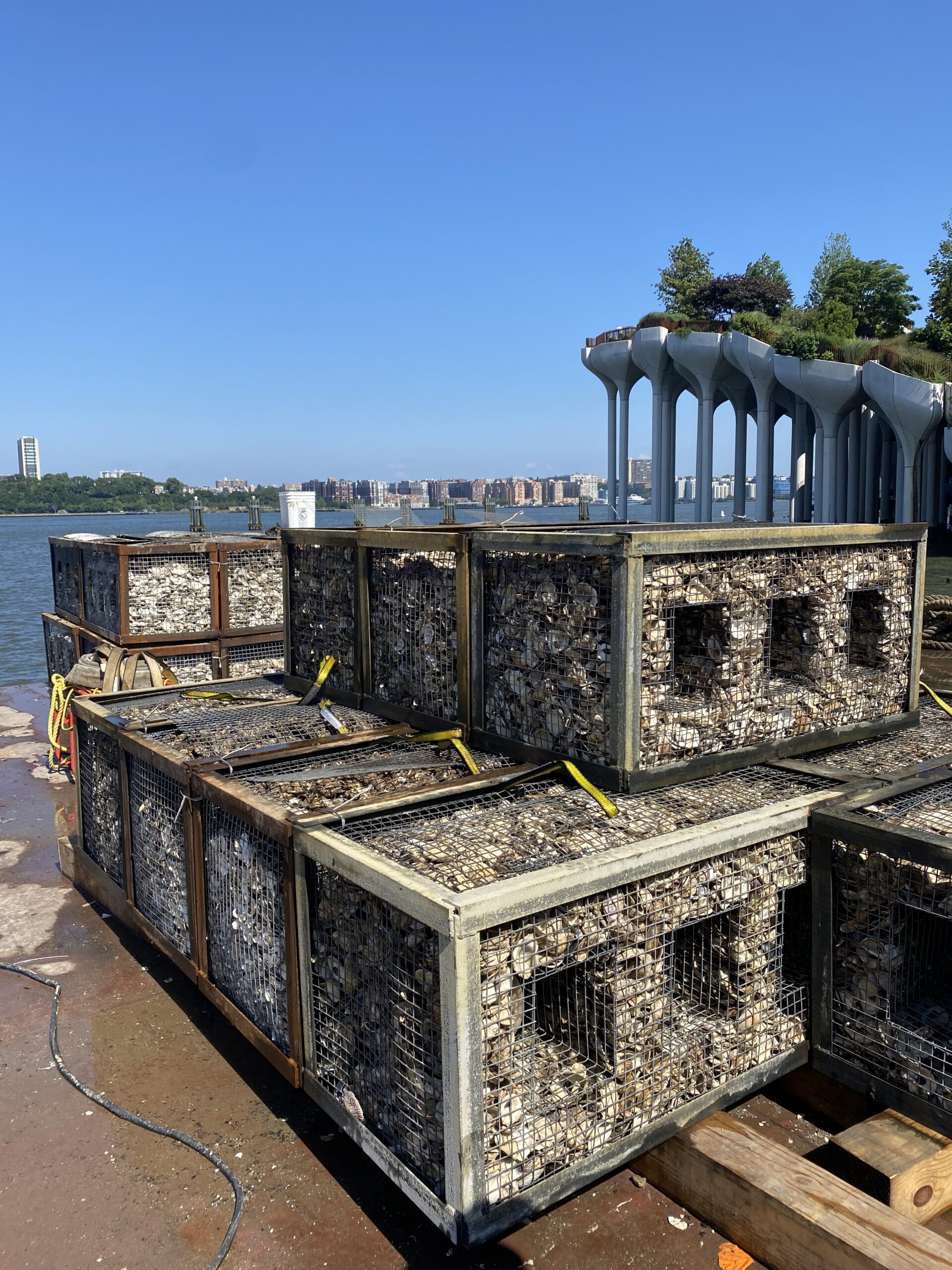
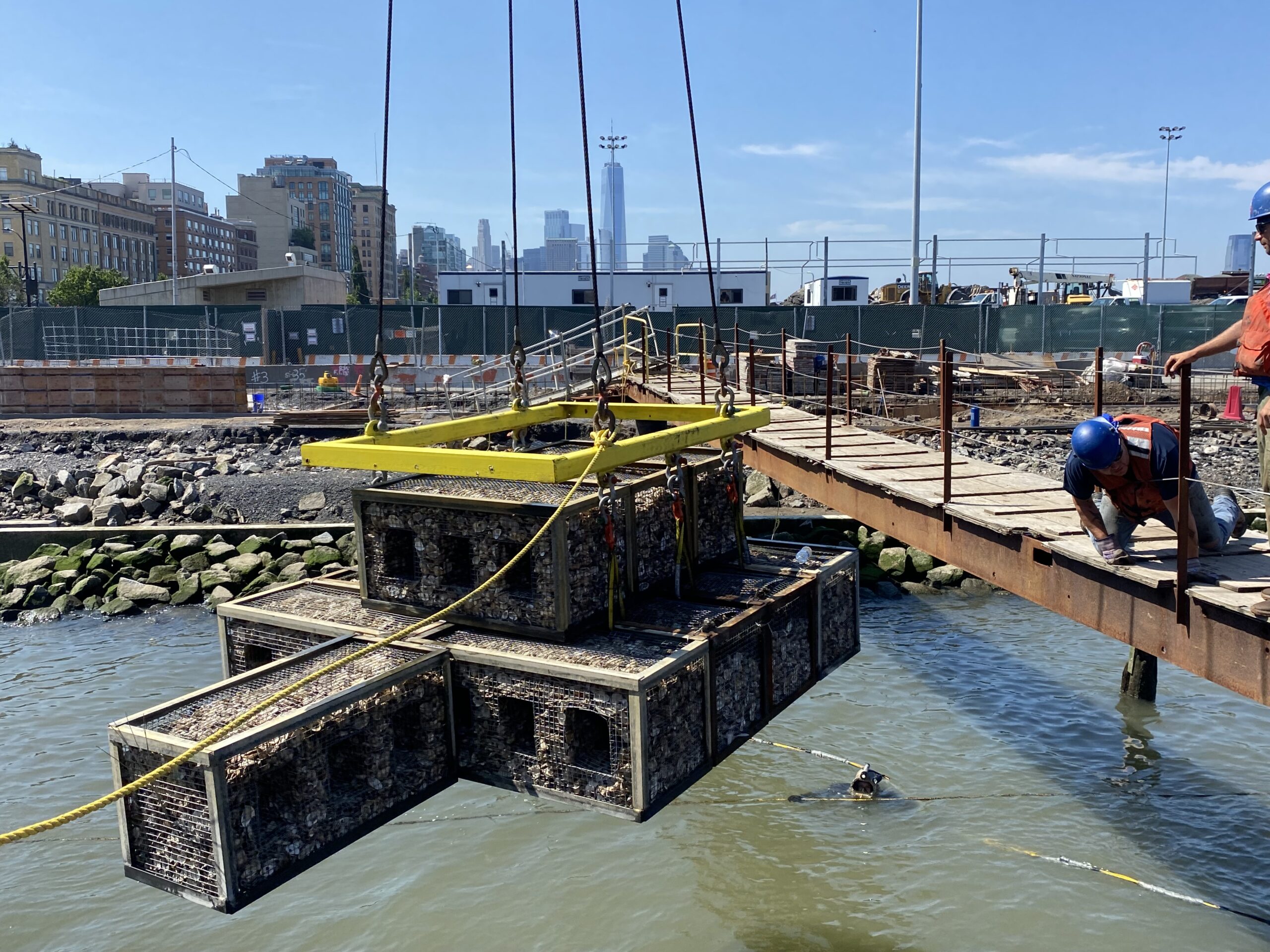
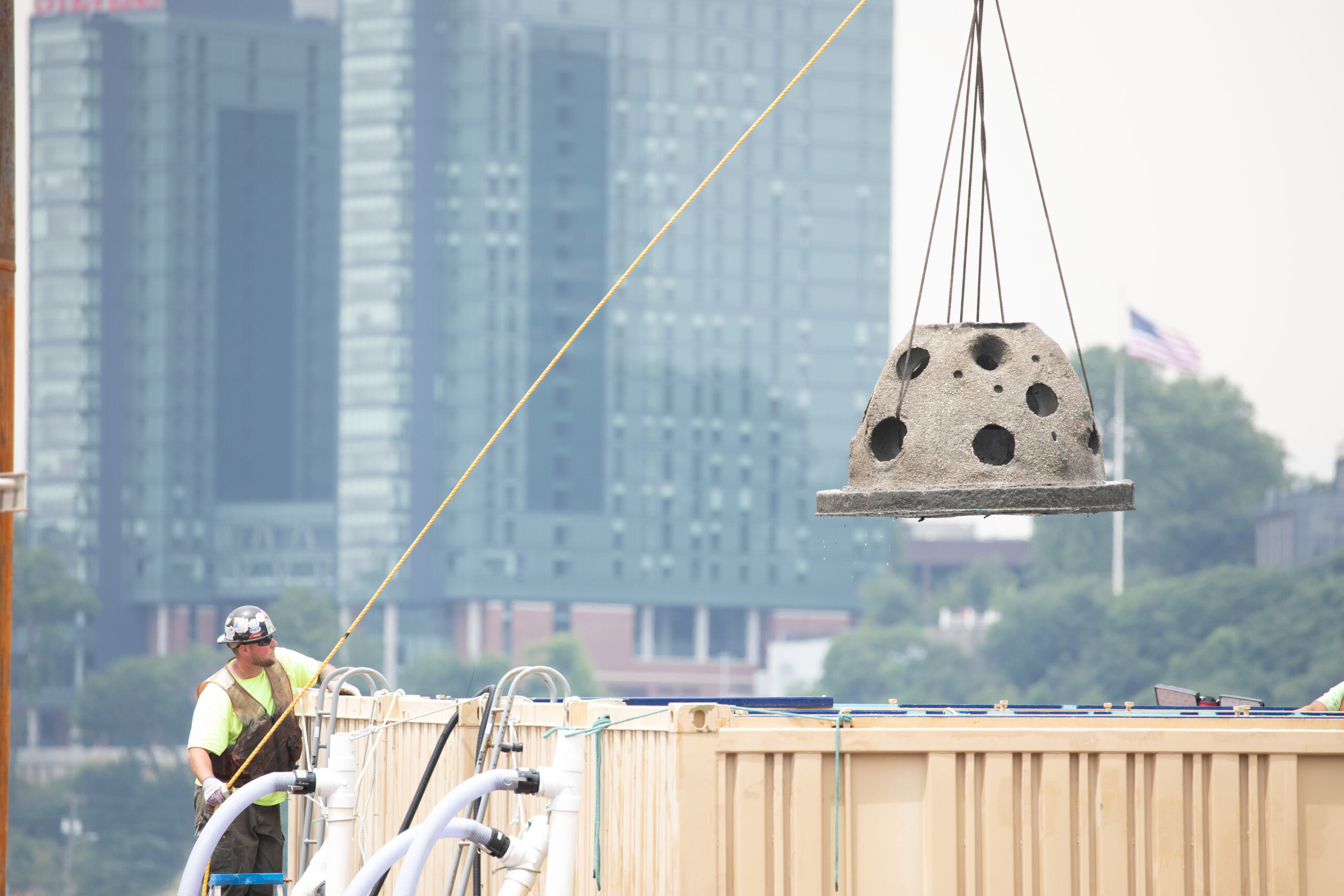
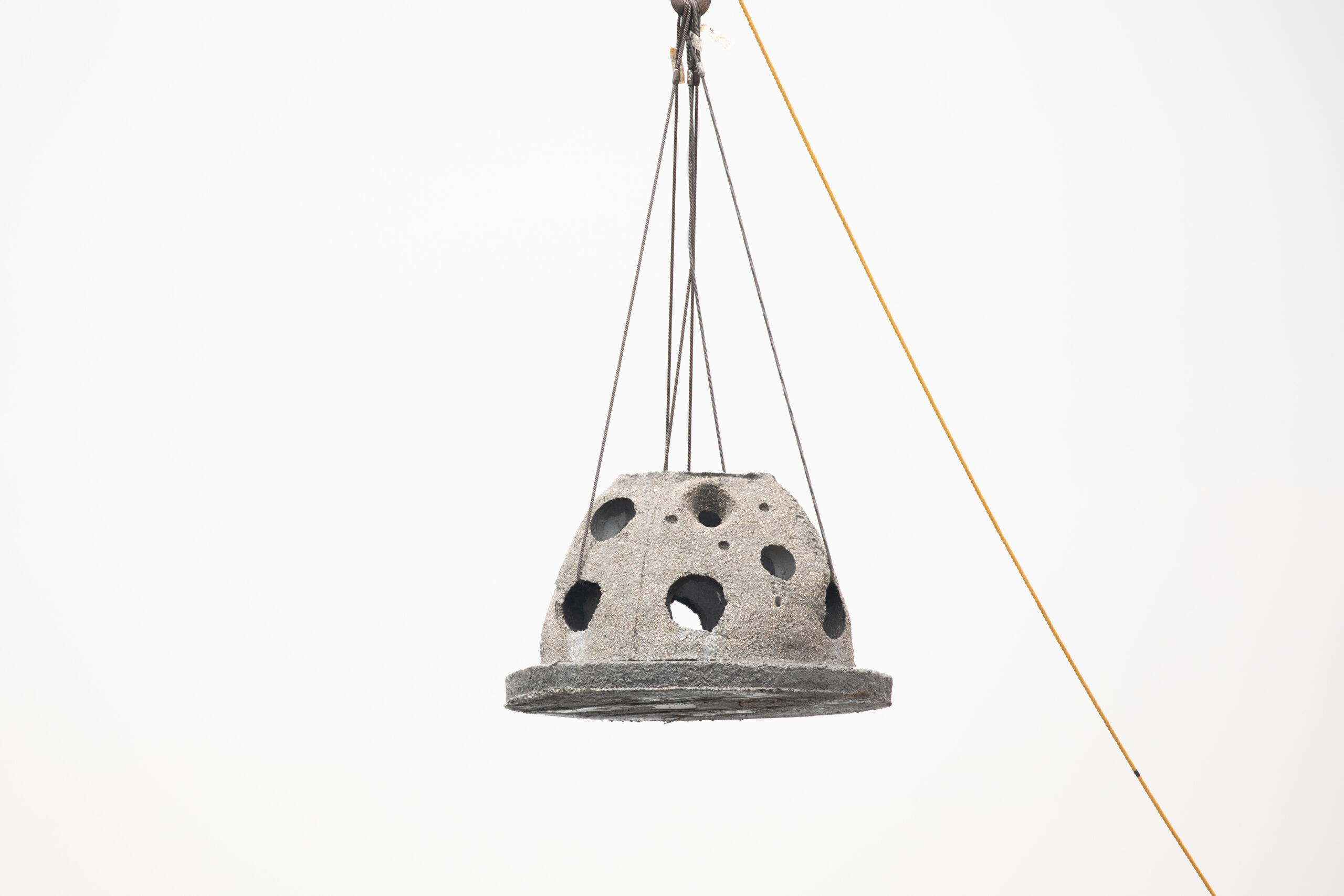
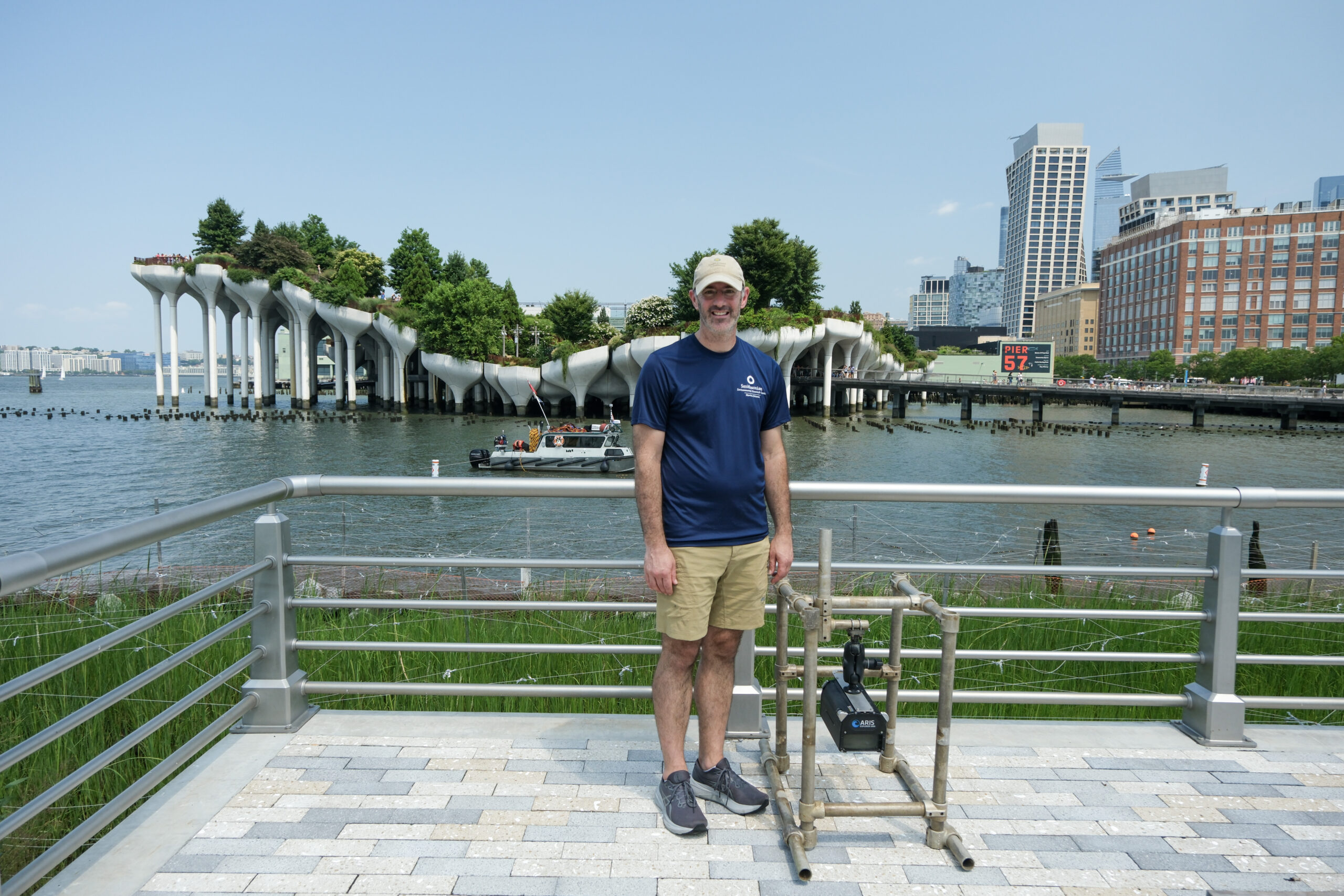
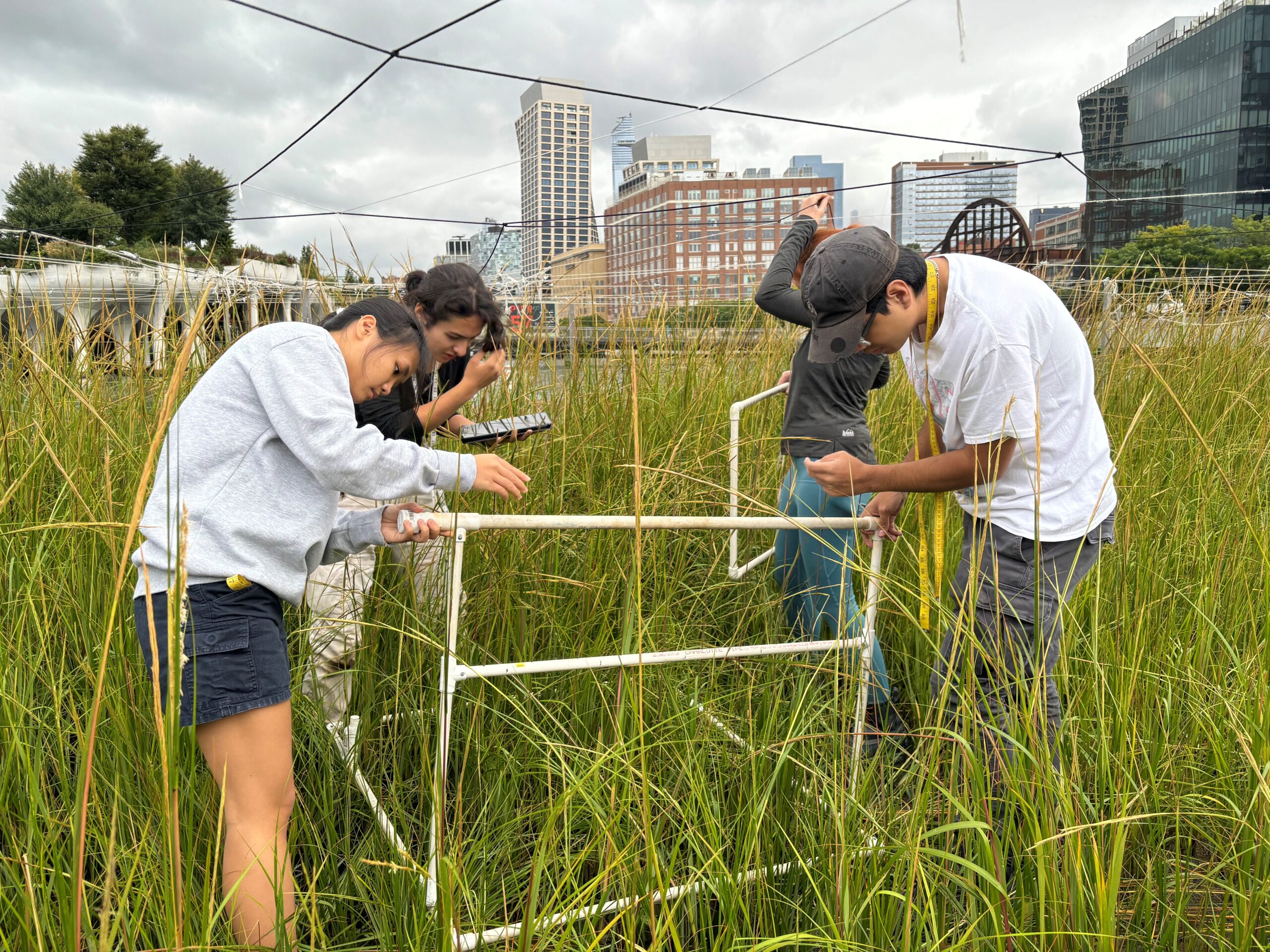
The salt marsh, which spans 100 meters across Gansevoort Peninsula’s northern shoreline and is 12 meters deep, was planted with smooth cordgrass (Spartina alterniflora) and is bordered by a rock revetment featuring two inlets and a central tidal creek to facilitate water flow and nutrient exchange. Together, the marsh and submerged enhancement structures create a dynamic environment that supports biodiversity and strengthens ecological resilience.
To evaluate the project’s impact, a comprehensive four-year monitoring program has been implemented, employing innovative and noninvasive techniques such as videographic and dive surveys, SONAR and environmental DNA analysis. The research program assesses oyster growth, recruitment, and overall health, as well as the utilization of structures by mobile species, water quality conditions, and the growth and functionality of the salt marsh. Findings are compared with data from the Tribeca Habitat Enhancement Project to guide and improve future habitat restoration efforts.